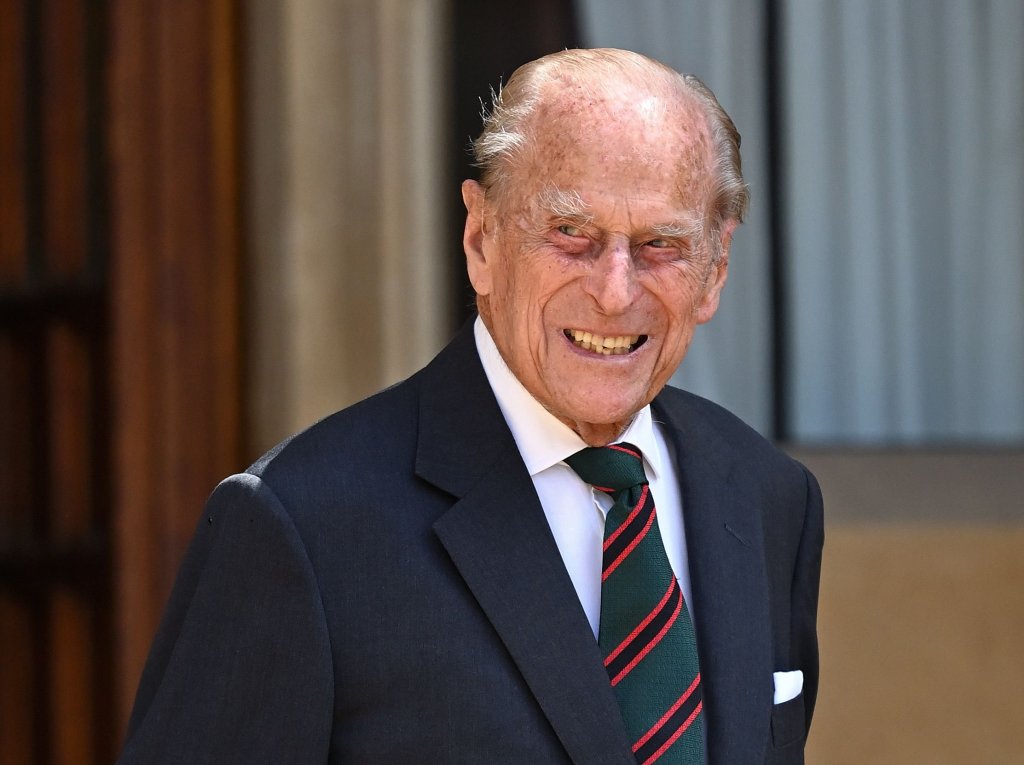
Philip was born at the summer retreat of the Greek royal family, Mon Repos, on the island of Corfu off the west coast of Greece, in 1921. At the time, Greece was still using the Julian calendar (and wouldn’t adopt the Gregorian calendar until 1923). The difference between the two means that in his home country he was actually born on May 28, not June 10.After being educated in France, Germany and the United Kingdom, he joined the British Royal Navy in 1939, aged 18.
From July 1939, he began corresponding with the thirteen-year-old Princess Elizabeth, whom he had first met in 1934. During the Second World War he served with distinction in the Mediterranean and Pacific Fleets.
Philip held a number of titles throughout his life. Originally holding the title and style of a prince of Greece and Denmark, Philip abandoned these royal titles prior to his marriage, and was thereafter created a British duke, among other noble titles. The Queen formally issued letters patent in 1957 making Philip a British prince.
When addressing the Duke of Edinburgh, as with any male member of the royal family except the monarch, the rules of etiquette were to address him the first time as Your Royal Highness, and thereafter as Sir.
The Duke of Edinburgh was appointed by King George VI to the Order of the Garter on 19 November 1947, the eve of his wedding. Since then, Philip has received 17 different appointments and decorations in the Commonwealth, and 48 from foreign states. The inhabitants of some villages on the island of Tanna, Vanuatu, worship Prince Philip as a god; the islanders possess portraits of the Duke and hold feasts on his birthday.
After his wife’s accession to the throne in 1952, the Duke was appointed Admiral of the Sea Cadet Corps, Colonel-in-Chief of the British Army Cadet Force, and Air Commodore-in Chief of the Air Training Corps. The following year, he was appointed to the equivalent positions in Canada and made Admiral of the Fleet, Captain General Royal Marines, Field Marshal, and Marshal of the Royal Air Force in the United Kingdom Subsequent military appointments were made in New Zealand and Australia.
On their 70th wedding anniversary, 20 November 2017, the Queen appointed him Knight Grand Cross (GCVO) of the Royal Victorian Order, making him the first British national since his uncle Earl Mountbatten of Burma to be entitled to wear the breast stars of four orders of chivalry in the United Kingdom.
 Melodye Music
Leave a comment